
The Dangerous Effects of Marijuana & Pets
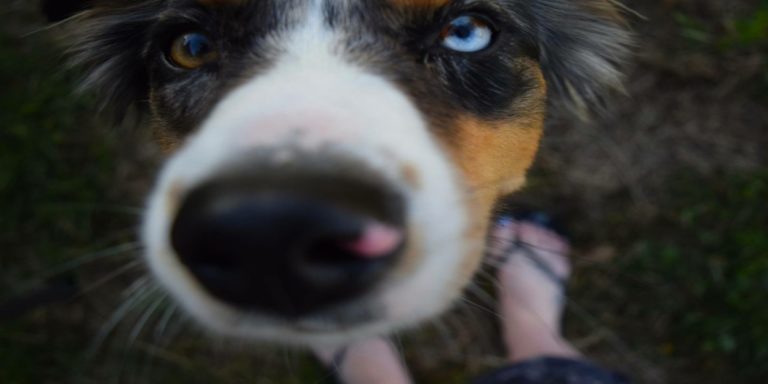
Now that marijuana is legalised, there may be an increase in pets accidentally ingesting the drug. So here is some information on what to watch for and what to do if you know, or think your pet may have ingested marijuana and how dangerous the effects can be.
Can Dogs Get High?
The answer is yes…and this is how…
1. Ingesting marijuana leaves/buds directly
2. Ingesting marijuana laced food
3. Secondhand smoke
While humans use the drug by choice to get high, pets do not, and they can become extremely sick.
What Are the Marijuana Effects on Dogs?
1. Lethargic
2. Breathing problems
3. Lower blood pressure
4. Abnormal heart rhythms
5. Loss of balance
6. Urinary incontinence
7. Seizures/Coma
8. Severe Depression
9. Sensitivity to light and sound
10.Excessive Salivation
What should you do if this happens?
No matter how much marijuana your pet has consumed, if any of these symptoms are present bring your pet to your veterinarian for appropriate treatment. ALWAYS be honest with your veterinarian, the more information you give us the better we can treat your pet. We are here for your pets health and safety and not to judge you.
The amount of marijuana needed for a 150-pound human to feel the effects will be nearly 10 times the amount a 15-pound dog needs.
What about cats you ask?
Just because dogs account for nearly all reported cases of marijuana poisoning it doesn’t mean it can’t happen to cats. Cats just aren’t as curious as dogs and don’t have the same habit of eating random things off the ground. Symptoms to watch for in cats is similar as to those in dogs.
Bottom Line:
When it comes to marijuana use and pets, BE CAREFUL. Keep all forms of marijuana, medical or recreational, out of reach of your pet.

Pet Vaccines
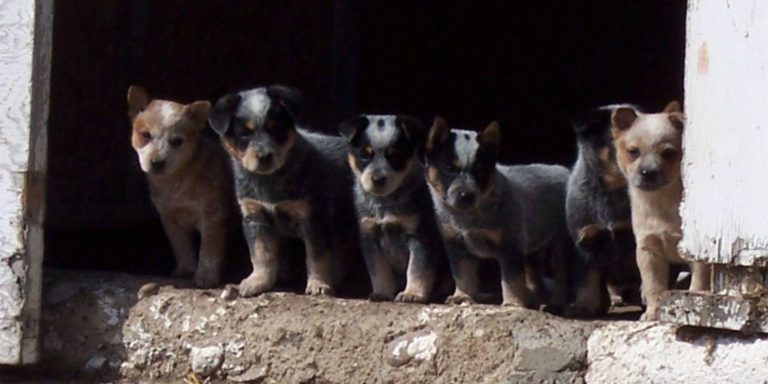
Pet Vaccines – What you need to know…
For Dogs: Core vaccines are the basic distemper shot (DA2PP) and the rabies vaccine
CORE:
(D)Distemper: is a deadly disease and is frequently fatal
(A2) Adenovirus: causes hepatitis and respiratory disease
(P) Parainfluenza: is a respiratory disease
(P) Parvovirus: is a deadly intestinal infection
(R) Rabies: a deadly neurological disease, contagious and fatal to humans
Non-Core
(B) Bordetella: a respiratory disease
For Cats: core vaccines are the basic distemper shot (RCP) and rabies vaccine
CORE:
(R) Rhinotracheitis virus: infection that causes respiratory disease
(C) Calicivirus: infection that causes respiratory disease
(P) Panleukopenia: infection that causes bloody diarrhea, can be fatal
(R) Rabies: a deadly neurological disease, contagious and fatal to humans
Non-Core
(FeLV) Feline Leukemia Virus: acts like a human AIDS virus
(FIV) Feline Immunodeficiency Virus: another virus that acts like a human AIDS virus
To book a vaccine appointment or to ask what vaccines your pet may need, call us today.
780-349-3663

Lets Talk Ticks!

Click on the flyer for more information regarding ticks in our area.
Please consult with your veterinarian about the best product to use for your pet.
Preventing tick bites is the best form of protection against tick borne diseases.
February Dental Month Before & After
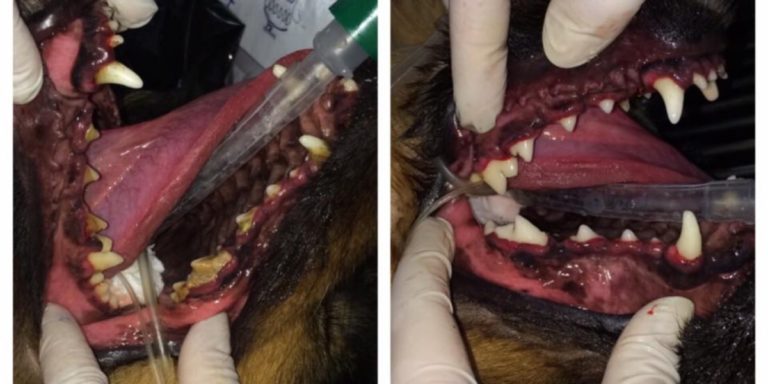
February is Pet Dental Month.
Did you know 85% of dogs and cats over the age of one are diagnosed with periodontal disease?
Dental Disease can also lead to systemic diseases in organs like the kidney and heart. Oral bacteria move through the blood stream to any vital organ.
Step 1: Book an appointment with our veterinary team for an oral exam
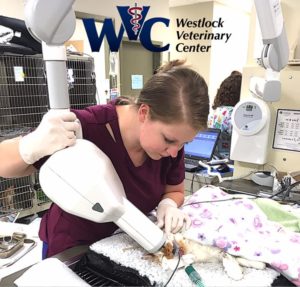
Step 2: Your pet is put under anesthetic for full mouth x-rays and to do their cleaning (scale, polish, fluoride)
Step 3: Our veterinarians determine if any extractions are advised, discuss with you their findings and preform the necessary extractions(if any)
Step 4: Recovery & Home Time with an improved quality of life for your pet!
It’s Calving Season!
CALVING SEASON!
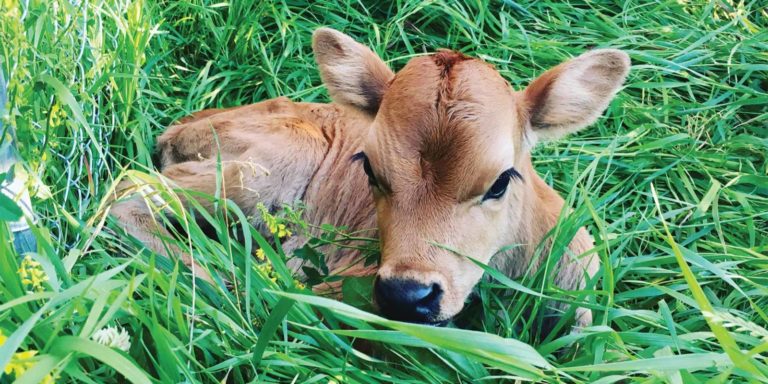
It’s well into calving season now, here is a little refresher on the stages of calving and when to seek help.
Stage 1: Symptoms of restlessness and discomfort, cow may lay down and get up frequently. The teats may become distended and leak milk. During the end of this stage the water bag is presented and will likely break. These conditions will normally be observed for 1-6 hours.
Stage 2: This stage is characterized by the fetus entering the dilated birth canal, rupture of the second water sac and abdominal contractions/labor and the expulsion of the calf. The cow will initiate abdominal contractions once the feet have entered the cervix or vagina.
This may not be observed due to one of the following:
-If the calf is breech (tail first)
-Twin calves who can’t agree who should go first
-Uterine Torsion or Cervical Scarring
Intervention is required if Stage 2 is delayed. Time for Stage 2 for a cow is 30 minutes to 4 Hours. Heifers usually require 4 hours.
Stage 3: The last stage is the expulsion of the placenta and the uterus returning to normal size. This is anywhere from 30 minutes to 8 hours.
Guidelines:
1.Check in intervals of 3 hours
2.Once a heifer/cow is in Stage 2, check frequently
3.Intervene if – stage 1 is over 3 hours, stage 2 is over 2 hours or cow/heifer is trying hard for 30 minutes-1 hour with no progress, – or if they have quit trying for more then 20 minutes.
Seek Professional Advice When:
- You don’t know what you are dealing with
- You know the problem, and the solution but you know you are unable to handle the problem
- You know the problem and the solution but are unable to make any progress in 20 minutes